Today’s education and job market demand more than academic knowledge—students, working professionals, and even parents planning for their children’s future are searching for stable, respected, and meaningful careers. Healthcare is one of the fastest-growing fields in Canada, yet many people assume that every healthcare role requires years of medical school or clinical training. The good news? That isn’t the case.
If you’re interested in healthcare, enjoy communication, organization, or customer service, and want a career where you help patients and health care providers every day, medical office administration course could be the perfect fit.
At Central College, Mississauga, learners find accessible pathways into the healthcare industry through flexible career courses, online learning, and hands-on practical training. But before enrolling, many students ask the same question:
What exactly is medical office administration course— and what do Medical Office Administrators do?
Medical office administration course is the field responsible for the administration, organization, and communication that keeps clinics, hospitals, and healthcare agencies running smoothly. It supports the healthcare system behind the scenes, connecting patients, medical staff, and health care providers.

Professionals in this field manage the non-clinical processes that are essential for patient care, including:
- Patient records and Electronic Medical Record management
- Patient scheduling and appointment scheduling
- Medical Billing, billing practices, and insurance claims
- Medical transcription and medical documentation
- Medical Office Procedures, contact coordination, and front-desk support
- Electronic Health Records and health information management
These responsibilities help ensure patients get the right care in the right place at the right time.
What Does a Medical Office Administrator Do?
A medical office administration (MOA) performs essential duties that support day-to-day operations in healthcare environments like clinics, medical offices, hospitals, and rehabilitation centres.
Typical Responsibilities Include
- Greeting and checking in patients
- Intake of patient information, immunizations, and Immunization Record
- Scheduling appointments and triage support
- Managing medical records, health record, and patient records
- Processing medical billing documentation
- Preparing medical reports and transcription
- Filing insurance documents and maintaining medical forms
- Confidential communication and confidentiality compliance
- Assisting with clinical tasks, clinical procedures, and laboratory procedures when required
MOAs help improve patient experience by combining customer service, empathy, organization, and professionalism.
Where Do Medical Office Administrators Work?
One of the most appealing features of this field is job diversity. Graduates work in many healthcare environments, including:
- Hospitals
- medical clinics
- private practice
- residential care facilities
- Diagnostic and X-rays centres
- Dental and chiropractic offices
- Government health agency offices
- Rehabilitation and physiotherapy facilities
Career Titles in Medical Office Administration
After completing training, graduates may pursue roles such as:
- Medical Office Assistant
- Medical Receptionist
- Medical Transcriptionist
- Hospital Unit Clerk
- Unit Clerk
- Health Unit Coordinator
- Medical Secretaries
With experience, some move into:
- health services office administration
- medical report management
- medical coding and billing
- clinic operations supervision
- healthcare administration leadership roles
What Skills Do Medical Office Administrators Need?
Success in Medical Office Administration requires a mix of administration, organization, and communication skills.
Students in this career learn:
- medical terminology
- anatomy
- contact and communication
- Appointment scheduling and Project Plans for workload
- Medical Billing practices
- Electronic Medical Record systems
- Filing and charting
- health records management systems and Electronic Health Records
- Customer service and conflict resolution
Because MOAs work directly with patients, empathy and professionalism are important. At the same time, accuracy, confidentiality, and knowledge of Canadian legal system, Canadian PIPEDA, and health information standards ensure safe handling of sensitive Personal Health Information.
Training: What to Expect in a Medical Office Administration Program

The Medical Office Administration Certificate / Medical Office Assistant Certificate at Central College combines theory with real-world practice.
What Students Learn
- Medical components & physical components
- Health care office components and office components
- Appointment scheduling and telephone etiquette
- Medical documentation
- Medical Office Procedures
- Medical Transcription
- Medical coding and patient billing
- Infection control
- Basic clinical examinations support
Students gain access to:
- A Hybrid format for flexible online learning
- Hands-on experience through Practicum or field placement
- Tools used in real medical offices, including health records management systems
This practical approach builds confidence for employment.
Admissions and Student Support
Future MOAs start by reviewing the Academic Calendar, program schedule, and site requirements.
Admission requirements may include:
- High school completion or equivalent
- Criminal Record Check
- Immunization Record
- Medical Transcription and typing assessments (depending on program)
Support services include:
- Financial aid guidance (including Tuition, tuition fees, funding options)
- Career Coaches and resumé support
- Test Prep support through test prep classes
- Academic Advisors and transition support for learners balancing lifestyle or employment
International students may use a co-op work permit for field practice and practical learning, depending on eligibility.
Real-World Success and Job Market Outlook
Healthcare continues to be one of the most stable industries, with steady career growth across Canada. Medical Office Administration jobs are in demand because clinics and hospitals rely heavily on administrative professionals for:
- patient scheduling
- Electronic Health Records access
- patient billing
- insurance forms
- operational workflow
Graduates of Medical Office Administration programs across the country — including institutions like algonquin college, Seneca@York, BCIT, Camosun, Trillium College, and others — report high employment satisfaction due to meaningful patient interaction, variety in tasks, and advancement opportunities.
At Central College, Mississauga, students also benefit from hands-on work experience, strong support staff, and career guidance — many secure placements and positions even before graduation.
Why Central College, Mississauga Is a Leading Choice
Students consistently describe Central College as one of the best training institute options for healthcare administration due to:
- Experienced instructors from the medical community
- A curriculum focused on job-ready skill development
- Strong connections with local employers
- A supportive learning environment for students and parents
- Digital access for online learning and hybrid delivery formats
- Responsive admissions support through contact with Admissions advisors
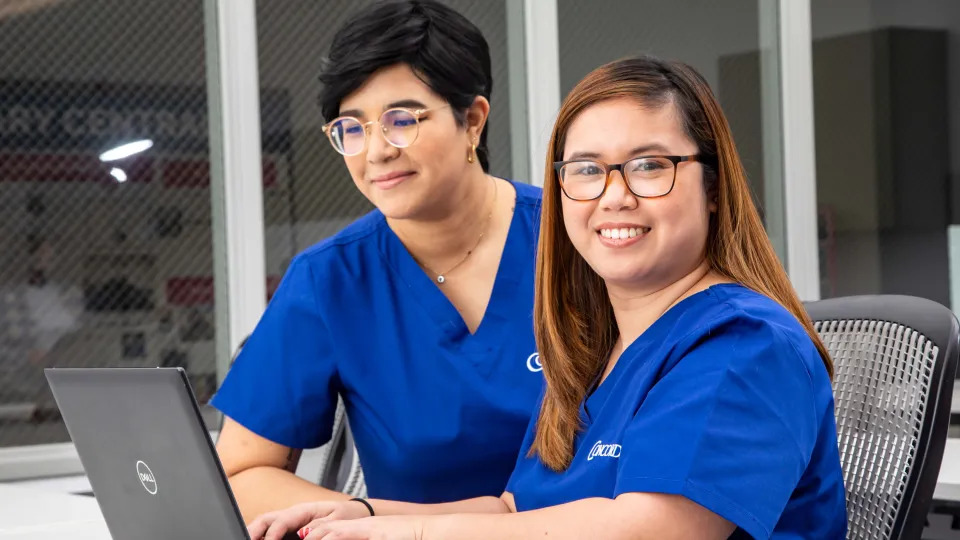
Students also have access to:
- Campus tours and virtual tour
- Peer mentorship
- Interview preparation and resumé workshops
Conclusion — Begin Your Journey Toward a Healthcare Career
A future in Medical Office Administration opens doors to one of the most meaningful and stable career paths in Canada. This profession allows you to make a difference in people’s lives while working in a respected healthcare environment — without needing a medical degree or years of clinical training.
🔥 Enroll today and take the next step toward your future success.
Admissions advisors at Central College, Mississauga are ready to guide you through program requirements, tuition details, and class schedules — your journey into the healthcare sector begins now.