
Watching your personal data disappear in a massive breach is a modern nightmare. You likely hear about cyber attacks on news cycles almost every week. Security threats are constantly evolving, and compliance requirements are becoming increasingly complex. Many professionals feel a growing sense of exam stress or career stagnation in traditional roles. You might wonder if the tech world offers a stable future. The reality is that digital systems now run our world. This shift creates a massive skill gap in the labour market. Central College of Business & Technology understands this challenge. We help you transition into a role that defends our digital assets.

Program Overview: The Cyber Security Analyst Role
Cyber threats to Canada’s national and economic security continue to grow every year. A cyber security analyst acts as a digital guardian protecting the system from such threats with well-defined objectives. This role involves protecting organizational assets from sophisticated threats. You monitor digital systems for any sign of a security incident. Your job is to ensure only authorized users access sensitive information. This requires a deep understanding of information systems and operating systems.
The demand for this role exists in both the public and private sectors. You work to prevent data breaches that could expose intellectual property. A cyber security analyst implements security controls to maintain data protection. You become an expert in access management and user access protocols. This job offers high real-world relevance in our connected world.
Cyber Security Strategies and the Cyber Centre
Canada has specific organizations dedicated to digital safety. The Communications Security Establishment Canada provides vital advice. They operate the Canadian Centre for Cyber Security, also known as the cyber centre. These bodies set the standards for cyber security strategies across the country.
Industry experts look to the cyber centre for guidance on cyber resilience. Analysts must follow industry frameworks to protect information assets. You learn to align security measures with business goals. This ensures that security does not hinder business processes. Your training includes understanding regulatory requirements to ensure compliance.
Understanding Common Cybersecurity Threats and Cyber Risks
The digital world faces evolving threats daily. You must identify common cybersecurity threats like phishing and ransomware. A cyber security analyst performs a regular risk assessment to find security risks. You analyze cyber risks associated with mobile devices and remote access.
Cyber attacks are becoming more frequent. You learn to handle cyber incidents through a well-defined incident response plan. Your goal is to minimize the impact of any security incident. You study how to protect critical systems from being compromised. This knowledge makes you an essential part of any information technology team.
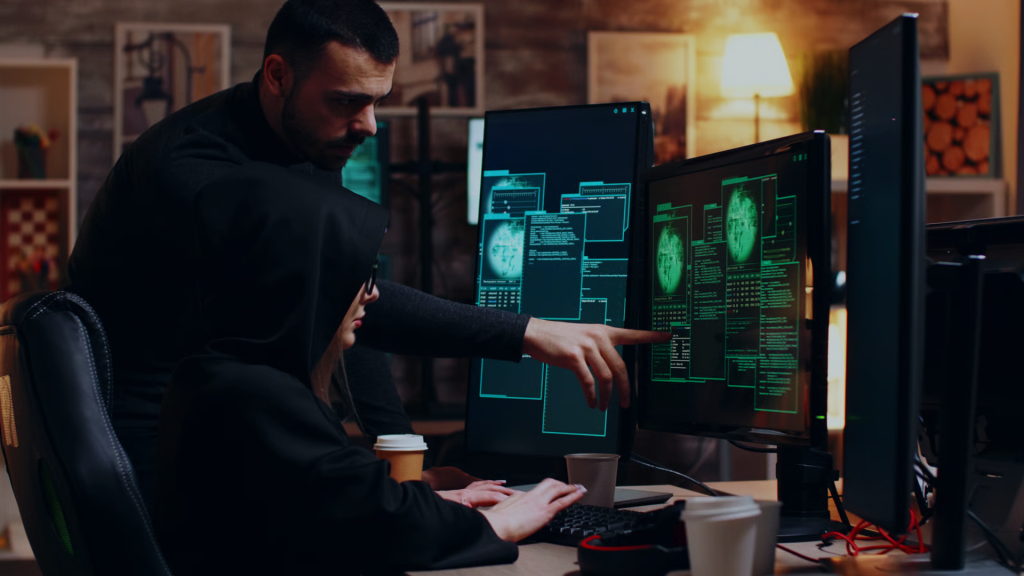
Best Practices for Data Security and Cyber Hygiene
Success in this field requires following best practices. You must implement strong security policies and promote security awareness. Cyber hygiene is a critical part of everyday operations. This includes using multi factor authentication and enforcing strict access control.
A data security policy helps define how to handle sensitive data. You perform data classification to prioritize protection efforts. You also conduct training sessions for other employees. Teaching others about cyber security needs reduces the risk of human error. This proactive approach is an excellent example of modern security leadership.
Experiential Learning and Skill Requirements
Central College focuses on experiential learning to build your technical capabilities. You gain hands-on experience with security software. You learn to conduct a risk assessment on real-world scenarios. We prepare you to meet the skill requirements found in modern employer job descriptions.
Our students learn about computer science fundamentals and information security. You study how to work with external auditors to verify security goals. You practice incident response techniques to handle data breaches. This practical training ensures you are ready for the workforce. We bridge the gap between theory and actual business goals.
Why Choose Central College for Your Cyber Security Training
Central College of Business & Technology offers the best training institute experience in Mississauga. We tailor our career courses to the current needs of the industry. You learn from professionals who understand the federal government and private sector standards. Our program focuses on the skills that lead to career advancement.
We provide a supportive environment for all students. We offer guidance on financial assistance to help with your education costs. Our curriculum stays updated with new technologies and emerging risks. We focus on your success from your first test prep classes to your final job interview. Choose us to build a secure and prosperous future.

Business Continuity and Supply Chains
Cyber security affects every part of a company. You must ensure business continuity during a crisis. This involves protecting supply chains from external cyber attacks. You work to identify vulnerabilities in how other organizations connect to your network.
Many organizations fail because they lack the resources required for defense. As an analyst, you justify the need for better security requirements. You help avoid the high costs of non compliance and disciplinary measures. Your work protects the financial health of small businesses and large enterprises alike.
Frequently Asked Questions
1. Is a background in computer science required?
While a background helps, our program covers the fundamental technical capabilities. We welcome professionals from various backgrounds looking for skill development.
2. What is the difference between a cyber security analyst and an engineer?
An analyst focuses on monitoring, risk assessment, and incident response. An engineer often builds the security systems and infrastructure.
3. Do cyber security analysts work in the federal government?
Yes. The federal government is a major employer. They need analysts to protect national information assets and digital assets.
4. How does multi factor authentication improve security?
It adds a layer of protection by requiring more than just a password. This makes it much harder for unauthorized users to gain access.
5. What are the most common cybersecurity threats today?
Phishing, ransomware, and unauthorized access management are very common. Evolving threats often target human weaknesses through social engineering.
Conclusion
A career as a cyber security analyst is a strategic choice for the future. You protect the digital systems that our society relies on. You gain a role with high demand and excellent compensation. With the right training, you can lead the way in data protection.
Enroll today and take the next step toward your future success. Central College of Business & Technology is ready to help you master the digital world.
Ready to Secure Your Future?
The digital landscape is changing, and skilled professionals are needed now more than ever. Contact our admissions team to learn about our upcoming intake dates and online learning options.
Start your journey at Central College of Business & Technology and become a leader in the world of cyber security.