Many people want a career that makes a difference, but they are unsure where to start. Others want to enter the healthcare field but do not know which education path fits their goals. As Canada’s population ages and demand for healthcare services increases, employers continue to seek trained healthcare workers who can support individuals in a variety of settings. A Personal Support Worker Program can provide the knowledge, Practical Skills, and workplace experience needed to begin a Rewarding Career in health care.
Understanding the Personal Support Worker Program
A Personal Support Worker Program prepares students to provide care and support to individuals who need assistance with Daily Living activities.
The Personal Support Worker role focuses on helping clients maintain dignity, independence, and quality of life. Students learn how to Support Clients in healthcare settings, Community Settings, and Institutional and Community Settings.
The program combines classroom learning with Clinical Placements to help students apply their knowledge in real-world situations.
After Successful Completion, graduates may earn a Personal Support Worker Certificate or an Ontario College Certificate, depending on program structure and credential requirements.

What Does a Personal Support Worker Do?
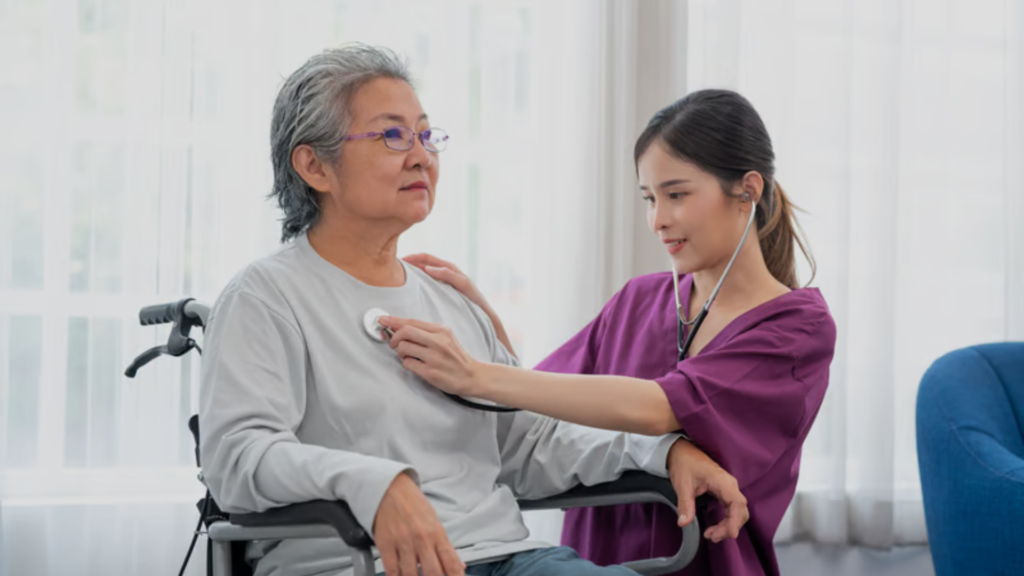
A Personal Support Worker, often called a Personal Support Worker PSW, works closely with individuals who require assistance with Personal Care and daily activities.
Support Workers may:
- Assist Clients with mobility
- Support Daily Living activities
- Provide Household Management Services
- Help with medication routines
- Support End of Life Care
- Promote Health Promotion activities
- Maintain a Safe and Comfortable Environment
- Observe and report Relevant Client Information
The role requires compassion, responsibility, and a commitment to Client Directed Care.
Practical Skills Learned in a PSW Program
One of the strengths of a PSW Program is the focus on Practical Skills.
Students learn how to:
- Perform Personal Care tasks
- Apply First Aid Procedures
- Follow Aid Procedures
- Use Control Measures for infection prevention
- Support Positive and Safe Behaviours
- Promote Positive health outcomes
- Support clients with Diverse Personal needs
Students also gain experience Applying Fundamental Knowledge in realistic healthcare situations.
These skills help graduates become workplace-ready and confident in providing support.
Learning Person Centred Care
Person Centred Care forms the foundation of modern healthcare.
Students learn how to Provide Person Centred Care that respects Individual and Family Choices, Family Values, Cultural Practices, and personal preferences.
Care plans focus on each client’s goals and needs.
Students learn how to Provide Client Centered support while respecting dignity, independence, and personal decision-making.
This approach helps create stronger relationships between clients and caregivers.
Developing Communication Skills
Effective Communication Skills are essential in health care.
Personal Support Workers interact with clients, families, Registered Practical Nurses, healthcare staff, and members of the Interprofessional Health Care Team.
Students learn how to:
- Maintain Collaborative Working Relationships
- Maintain Therapeutic Relationships
- Share Relevant Client Information
- Document observations accurately
- Support collaborative care planning
Strong communication supports quality care and workplace success.
Understanding Mental Health and Cognitive Support
Healthcare workers often support individuals with Various Mental Health Illness conditions and Cognitive and Intellectual Impairments.
Students gain knowledge about:
- Mental Health Illness
- Responsive Behaviours
- Psychological Concepts
- Emotional wellbeing
- Client support strategies
This training helps future workers respond appropriately while maintaining Professional Boundaries and promoting safety.
Clinical Placements and Hands-On Experience
Clinical Placements provide valuable workplace experience.
Students work in Clinical Agencies and healthcare facilities under supervision. These placements allow learners to apply classroom concepts in real healthcare environments.
Students gain exposure to:
- Long Term Care Facilities
- Community Settings
- Healthcare Settings
- Residential care environments
Clinical experience strengthens confidence and supports career readiness.

Health Care Knowledge and Professional Responsibility
A Personal Support Worker Program includes important healthcare knowledge.
Students learn about:
- Holistic Health Care
- Disease Prevention
- Health Promotion
- Medication Management
- Implementing Current Infection Prevention practices
- Ethical Principles
- Applicable Legislation
Understanding the Retirement Homes Act and other regulations helps students work responsibly within the healthcare system.
Graduates learn how to act as an Accountable Person while supporting quality care.
The Importance of Critical Thinking
Healthcare situations often require quick thinking.
Students develop Critical Thinking abilities that help them assess situations, identify Relevant Client Information, and follow a Client’s Plan effectively.
Critical thinking also supports decision-making when responding to changes in client conditions.
These Essential Skills help graduates perform their responsibilities safely and professionally.
Is Personal Support Worker a Good Career in Canada?
For many people, the answer is yes.
Canada continues to experience demand for trained healthcare workers. Aging populations and expanding healthcare services create opportunities for qualified Personal Support Workers.
Employers regularly seek candidates who can:
- Provide Compassionate Care
- Support clients safely
- Work within healthcare teams
- Follow healthcare procedures
- Build Therapeutic Relationships
Employer Job Descriptions often highlight the need for graduates with strong communication skills, practical training, and clinical experience.
This creates strong Career Opportunities across multiple healthcare sectors.
Career Opportunities After Graduation
Graduates can find employment in many environments.
Potential workplaces include:
- Long Term Care Facilities
- Retirement homes
- Community care organizations
- Hospitals
- Home care services
- Rehabilitation centres
- Healthcare Settings
The variety of work environments allows graduates to choose settings that match their interests and career goals.
Online Learning and Skill Development
Some students need flexible learning options.
Online Learning can help students balance education, family responsibilities, and work commitments.
Flexible study formats support Skill Development while allowing learners to continue pursuing their goals.
Combined with practical training and Clinical Placements, online education can support successful career preparation.
Real-World Relevance and Student Outcomes
Healthcare employers continue to value graduates who possess both technical knowledge and people skills.
Students who complete a Personal Support Worker Program often report increased confidence, workplace readiness, and stronger communication abilities.
The combination of classroom learning, Clinical Placements, and practical training helps prepare graduates for employment in healthcare settings.
This education pathway provides a direct route into a growing sector of the Canadian workforce.
Why Choose Central College?
Central College of Business & Technology focuses on preparing students for meaningful careers in healthcare.
Students benefit from:
- Industry-focused curriculum
- Practical Skills training
- Clinical Placements
- Hands-on learning
- Experienced instructors
- Career-focused education
- Student support services
The program helps students build the knowledge and confidence needed to support clients and contribute to healthcare teams.
Students graduate prepared to enter the workforce and pursue long-term career growth.
Conclusion
A Personal Support Worker Program provides the education, practical training, and workplace experience needed to begin a career in healthcare. Students learn Personal Care techniques, communication skills, health care knowledge, and client support strategies while gaining hands-on experience through Clinical Placements.
For individuals seeking a career that combines purpose, responsibility, and career opportunities, becoming a Personal Support Worker can be a strong choice.
FAQs
What is a Personal Support Worker Program?
A Personal Support Worker Program prepares students for the Personal Support Worker Role by teaching Personal Care, Daily Living assistance, Communication Skills, Medication Management, Health Promotion, and Client Directed Care. Students gain Practical Skills through classroom learning and Clinical Placements while preparing to support clients in Healthcare Settings and Community Settings.
Is a Personal Support Worker a good career in Canada?
Yes. A Personal Support Worker career offers opportunities in Long Term Care Facilities, community care organizations, hospitals, and retirement homes. Demand for Healthcare Workers continues across Canada. Graduates who complete a PSW Program often find Career Opportunities that allow them to Support Clients and provide Compassionate Care in diverse healthcare environments.
What skills do students learn in a PSW Program?
Students learn Practical Skills such as Personal Care, First Aid Procedures, Disease Prevention, Medication Management, Critical Thinking, and Effective Communication Skills. They also learn how to Maintain Therapeutic Relationships, Maintain Collaborative Working Relationships, support Positive and Safe Behaviours, and Provide Person Centred Care while respecting Cultural Practices and Family Values.
What are the admission requirements for a Personal Support Worker Program?
Admission Requirements may vary by institution. Applicants often need an Ontario Secondary School Diploma or equivalent qualification. Some programs may require a Vulnerable Sector Screening before Clinical Placements begin. Prospective students should review program requirements carefully and contact the admissions team for the latest information.
Where can Personal Support Worker graduates work?
Graduates may work in Long Term Care Facilities, hospitals, retirement homes, community organizations, home care services, and other Healthcare Settings. They often work alongside Registered Practical Nurses and members of the Interprofessional Health Care Team while supporting clients with Daily Living activities, End of Life Care, and ongoing personal support needs.
Start Your Healthcare Career Today
Build the skills, knowledge, and confidence needed to make a difference in people’s lives. Explore the Personal Support Worker Program at Central College of Business & Technology and take the first step toward a rewarding career in Canada’s growing healthcare sector.