Time matters when you want to enter the workforce, build new skills, or change careers. Some students want a faster path into healthcare settings. Others need a program that fits family responsibilities or work commitments. Understanding the timeline of a Personal Support Worker Program helps students plan their education and career goals with confidence. A PSW Program offers a direct route into health care while providing the Practical Skills, workplace experience, and knowledge employers look for across Canada.
Understanding the length of a PSW program
A Personal Support Worker Program usually takes less time than many healthcare diploma programs.
The exact length depends on the institution, course schedule, and program format. Some students study full-time, while others may need flexible options to balance work and family commitments.
A PSW Program combines classroom instruction, skills training, and Clinical Placements. Students must complete all academic and placement requirements before Successful Completion of the program.
The goal is to prepare graduates for the Personal Support Worker Role through structured learning and workplace experience.
What is included in a personal support worker program?
A Personal Support Worker Certificate program covers both theory and practical learning.
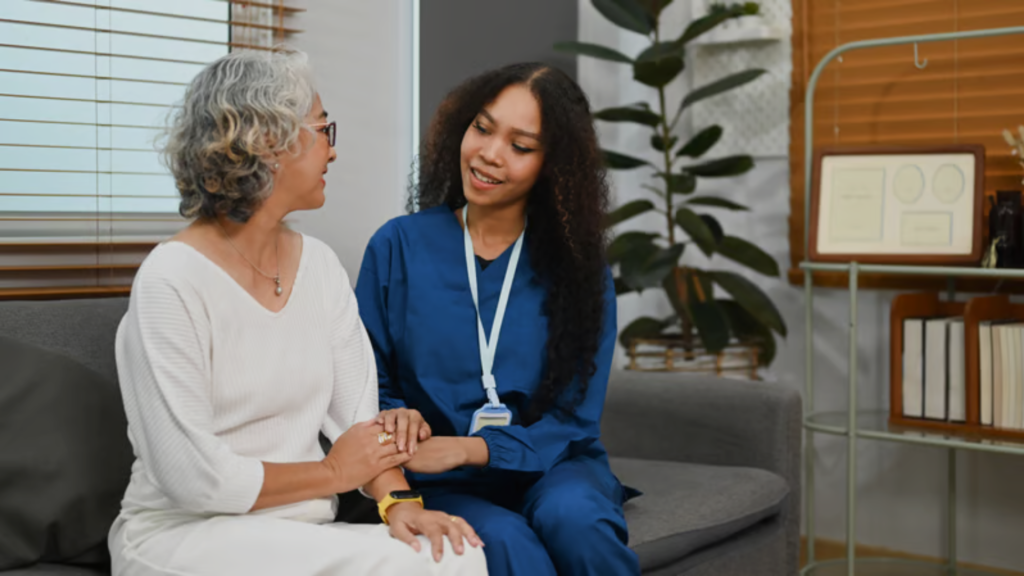
Students develop Practical Skills that help them Assist Clients in a variety of Healthcare Settings. Training focuses on Personal Care, safety, communication, and client support.
Students learn how to:
- Support Daily Living activities
- Provide Personal Care
- Assist with Medication Management
- Follow First Aid Procedures
- Support End of Life Care
- Promote Health Promotion
- Apply Disease Prevention practices
The program prepares students to Provide Person Centred Care while respecting Individual and Family Choices.
Clinical placements and hands-on learning
Clinical Placements are an important part of the learning process.
Students work with Placement Partners in real healthcare environments. These placements help students apply classroom concepts while building confidence.
Placement experiences may occur in:
- Long Term Care Facilities
- Community Care organizations
- Community Settings
- Healthcare Settings
- Clinical Agencies
Students gain experience working alongside members of the Interprofessional Health Care Team and other healthcare professionals.
Skills students develop during the program
A PSW Program focuses on building workplace-ready skills.
Students learn Effective Communication Skills that help them interact with clients, families, and healthcare teams.
The curriculum also helps students:
- Maintain Collaborative Working Relationships
- Maintain Therapeutic Relationships
- Identify Relevant Client Information
- Apply Critical Thinking
- Follow a Client’s Plan
- Promote Positive and Safe Behaviours
These skills support Competent Client Centred Care across many care environments.
Learning to support diverse client needs
Healthcare workers support people from many backgrounds.
Students learn how to Provide Client Centered care while respecting Cultural Practices, family preferences, and personal values.
The curriculum includes training related to:
- Cognitive and Intellectual Impairments
- Various Mental Health Illness conditions
- Mental Health Illness awareness
- Responsive Behaviours
- Diverse Personal needs
- Compassionate Care approaches
This training helps students create a Safe and Comfortable Environment for clients.
Health care knowledge taught in the program
The Personal Support Worker Program includes healthcare knowledge that supports safe practice.
Students learn about:
- Holistic Health Care
- Client Directed Care
- Ethical Principles
- Applicable Legislation
- Control Measures
- Implementing Current Infection Prevention practices
- Fundamental Knowledge of client support
Students also learn their responsibilities as the Most Accountable Person for the tasks they perform within their scope of practice.
Admission requirements and pre placement requirements
Students should review Admission Requirements before applying.
Requirements may vary by institution. Applicants often need proof of education and may need to meet Non Academic Requirements before starting Clinical Placements.
Common requirements may include:
- Ontario Secondary School Diploma or equivalent
- Vulnerable Sector Screening
- Health documentation
- Immunization records
- Other Pre Placement Requirements
Students should confirm details directly with the admissions team before enrollment.

Associated costs and financial supports
When planning for education, students should consider Associated Costs beyond tuition.
Costs may include:
- Service Fees
- Uniforms
- Placement requirements
- Learning materials
- Screening documentation
Some learners may qualify for Financial Supports that help reduce education costs. Students should explore available funding options before beginning their studies.
Why the program timeline is worth it
A PSW Program provides a direct path into health care.
Rather than spending several years in school, students can gain practical training and begin pursuing employment opportunities sooner. This shorter educational pathway appeals to many Domestic Students and International Students looking to enter the workforce.
Graduates leave with job-ready skills and workplace experience gained through Clinical Placements.
Career opportunities after successful completion
After Successful Completion, graduates may pursue employment in a variety of healthcare environments.
Common workplaces include:
- Long Term Care Facilities
- Community Care agencies
- Home care organizations
- Retirement residences
- Hospitals
- Community Settings
Employer Job Descriptions often seek candidates who demonstrate communication skills, professionalism, compassion, and the ability to Support Clients safely.
This makes the Personal Support Worker PSW pathway attractive for those seeking a Rewarding Career in health care.
Online learning and skill development opportunities
Education continues to evolve.
Many students look for Online Learning opportunities that provide flexibility while supporting Skill Development. Flexible learning formats can help students manage family responsibilities, work schedules, and educational goals.
Combined with hands-on training and Clinical Placements, these learning opportunities help students prepare for healthcare careers while building confidence and practical experience.
Real-world relevance and student outcomes
Healthcare organizations continue to seek trained support workers.
Graduates often enter roles that involve Personal Care, Household Management Services, client support, and assistance with Daily Living activities.
The demand for qualified workers remains strong across many healthcare settings. Students who complete training gain practical experience, industry knowledge, and workplace confidence that support long-term career growth.
Why Choose Central College?
Central College of Business & Technology helps students prepare for meaningful careers in health care.
Students benefit from:
- Industry-focused curriculum
- Hands-on learning
- Clinical Placements
- Experienced instructors
- Student support services
- Career-focused training
The program helps students build the knowledge, confidence, and workplace skills needed to succeed in healthcare environments.
Graduates leave prepared to support clients and contribute to healthcare teams.
Conclusion
The length of a Personal Support Worker Program depends on the institution and learning format, but the program provides a focused pathway into health care. Students gain Practical Skills, workplace experience, healthcare knowledge, and client support abilities through classroom instruction and Clinical Placements.
For individuals seeking a career that offers purpose, growth, and employment opportunities, becoming a Personal Support Worker can be a strong choice.

FAQs
How long does a PSW program take in Canada?
A PSW Program typically combines classroom learning and Clinical Placements. The timeline varies by institution and schedule. Students complete training in Personal Care, Health Care practices, Effective Communication Skills, and client support before Successful Completion. Program length may also depend on placement schedules, Admission Requirements, and Pre Placement Requirements.
What do students learn in a personal support worker program?
A Personal Support Worker Program teaches Practical Skills related to Personal Care, Medication Management, Disease Prevention, First Aid Procedures, and Daily Living support. Students learn how to Assist Clients, Identify Relevant Client Information, Maintain Therapeutic Relationships, Promote Positive behaviours, and Provide Person Centred Care in Healthcare Settings and Community Settings.
Are clinical placements required in a PSW program?
Yes. Clinical Placements form a key part of most Personal Support Worker Certificate programs. Students gain workplace experience through Placement Partners and Clinical Agencies. Placements help learners apply Fundamental Knowledge, develop Critical Thinking skills, and work alongside members of the Interprofessional Health Care Team while supporting clients in real care environments.
What are the admission requirements for a PSW program?
Admission Requirements often include an Ontario Secondary School Diploma or equivalent qualification. Students may also need to meet Non Academic Requirements such as a Vulnerable Sector Screening and other Pre Placement Requirements. Institutions may have different policies, so applicants should confirm requirements before applying.
Is becoming a personal support worker a good career choice?
Yes. A Personal Support Worker role offers opportunities in Long Term Care Facilities, Community Care organizations, hospitals, and other Healthcare Settings. Graduates support clients with Daily Living activities, Personal Care, and End of Life Care. The profession provides a Rewarding Career for individuals who enjoy helping others and contributing to health care services.
Start Your Healthcare Career Sooner Than You Think
Take the next step toward a rewarding future with the Personal Support Worker Program at Central College of Business & Technology. Build practical skills, gain clinical experience, and prepare for career opportunities in healthcare settings through focused training designed for student success.